




Bestenliste
-
bx-basis
Registrierte Benutzer12Punkte35.799Beiträge -

RoteZora
ACCM7Punkte868Beiträge -
AndreasRS
Registrierte Benutzer5Punkte14.941Beiträge -

RalphB
Registrierte Benutzer5Punkte1.549Beiträge
Beliebte Inhalte
Inhalte mit guter Reputation für 04.06.2025 in Beiträge
-
Genau so! Die gesamte Infrastruktur steht. Und wir erwarten rund 250 Teilnehmer:innen mit einer recht großen Auswahl an Doppelwinkelfahrzeugen sowie einem Museum mit weiteren 120 Fahrzeugen. Inzwischen ist klar, dass es für einige Jahre die letzte Möglichkeit ist, diese Sammlung in Augenschein zu nehmen.6 Punkte
-
5 PunkteJa, das ist ein sehr großes Problem. Mich stören auch nicht die Steuern, die ich zahle. Selbst wenn damit Dinge unterstützt werden, die ich nicht gut finde. Das ist halt so in einer Gemeinschaft. Es ist die Ungerechtigkeit, dass jemand mit dem 10 fachen Einkommen faktisch in der Regel weniger Steuern zahlt. Und dann einem noch erklärt, dass sich Leistung wieder lohnen muss. Wie muss sich das für die jenigen anfühlen, die ordentlich Steuern zahlen, aber im täglichen Leben sehr genau schauen müssen, wo sie etwas ausgeben können und wo nicht.5 Punkte
-
3 PunkteSo, heute war Termin zur contre-visite und gegen Zahlung von 15€ Gebühr durfte sich der AX seinen Segen für weitere 2 Jahre abholen. Bremse vorne so gleichmäßig wie vorher aber gut 10% höhere Werte auf dem Prüfstand, hinten ging es von 39% Abweichung auf 3% zurück, die Bremskraft hat sich mehr als verdoppelt. Auch die Handbremse zieht besser als beim ersten Prüftermin. Der Prüfer war mehr als zufrieden, immerhin wurden ja auch alle als gering eingestuften Mängel beseitigt.3 Punkte
-
 Heute wird gepackt, morgen gehts dann los! Wetter hin oder her, wir freuen uns auf das Treffen! Viele Grüße Stefan3 Punkte
 -
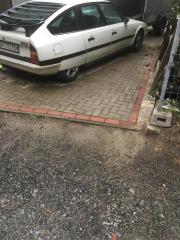 2 PunkteGerade bei #Kleinanzeigen gefunden. Wie findest du das? https://www.kleinanzeigen.de/s-anzeige/citro-n-cx-25-gti-turbo-2-abs-scheunenfund-ahk/3101839126-216-19297?utm_source=copyToPasteboard&utm_campaign=socialbuttons&utm_medium=social&utm_content=app_ios2 Punkte
 -
(Kopie).JPG.bdff6cf807d9c64f87f40d9bf4eef76f.thumb.JPG.56b2e5269a5d26e0bd50ef1a8733532f.JPG) Donnerstag geht es los mit C5 Break HDI 165 und Wohnwagen. Ich hoffe wir kommen ohne Panne durch, denn die hatte ich ja schon gestern. Ausfall des OT/Drehzahlsensor, dadurch für das Steuergerät "Drehzahl Null" also kein Sprit mehr für den Motor. Um 08:30 Uhr in die Werkstatt geschleppt konnte ich den Wagen schon um 14:30 wieder abholen. Wir freuen uns auch sehr auf das Treffen, hoffentlich ziehen die angekündigten schweren Unwetter nicht über das Depotdrom. VG Volker2 Punkte
Donnerstag geht es los mit C5 Break HDI 165 und Wohnwagen. Ich hoffe wir kommen ohne Panne durch, denn die hatte ich ja schon gestern. Ausfall des OT/Drehzahlsensor, dadurch für das Steuergerät "Drehzahl Null" also kein Sprit mehr für den Motor. Um 08:30 Uhr in die Werkstatt geschleppt konnte ich den Wagen schon um 14:30 wieder abholen. Wir freuen uns auch sehr auf das Treffen, hoffentlich ziehen die angekündigten schweren Unwetter nicht über das Depotdrom. VG Volker2 Punkte -
2 PunkteWaren die Nockenwellenräder beim Auflegen und spannen gelöst? Abgesteckt werden die Naben, die Räder sind darauf drehbar montiert. Nur so kann man den Riemen mit nur einer Spannrolle korrekt spannen, sonst benötigt man derer zwei (wie beim BX 16V).2 Punkte
-
 2 PunkteIch möchte mir nicht ausmalen, wie traurig Du gewesen wärst, wenn Du mehrere gesehen hättest…2 Punkte
 -
2 PunkteMuß nichts heißen. Bei einen kleinen 1.4 HDi hatte ich mal ein ähnliches Problem. Anlasser dreht fröhlich aber kein anspringen. Die Spannung brach minimal zu weit ein so daß das Steuergerät die Injektoren nicht ansteuerte, blieb aber für Ewigkeiten auf diesem Niveau während der Anlasser orgelte.2 Punkte
-
 me too Das Cabrio bleibt zuhause... Rotkäppchen on Tour2 Punkte
 -
 Hallo Marinko , ich werde ab Freitag mit C6 und Wohnwagen anwesend sein . Sehen wir uns ?2 Punkte
 -
 2 PunkteSagt wer? Ausserdem ist die Frage falsch, nicht "seit wann" sondern "ab welcher Höhe". 🙂 naja, bleiben ja noch 85% übrig. Ne, ist schon klar, kann schwierig werden wenns eine Immobilie ist. Die Gesetzgebung ist da fast nur von und für die Vermögenden. Allein dieser Stiftungsunsinn. Viel Geld und Aufwand verbraten, Hauptsache die Allgemeinheit bekommt nichts ab vom leistungslosem Einkommen .2 Punkte
 -
 2 PunkteErben ist nur für Otto Normalverbraucher schwierig. Da wird idR keine Steuergestaltung gemacht. Was bei Vermögenen total normal ist. Schenkungen zu Lebzeiten etc. Hab gerade selber das Thema. Da warten jetzt 15% Erbschaftssteuer auf mich. Kann man sich schon ein wenig drüber ärgern.2 Punkte
 -
 Gut, dass ich nur auf dumme Menschen allergisch reagiere und sich diese meistens nicht in den Lüftungsschächten meiner Autos befinden. 😉2 Punkte
 -
Original-Transistoren FW26025A1, PNP, Darlington, 20 A (200 W). oder TI 829-1 Ersatztyp MJ11015 - 30 A (oder MJ15004 oder ST26025A - 20 A) Oder MJ11033 50 A (200 W) Oder BDX66C (aber nur 16 A) oder KT825A (2T825A), 20 A Zum Austausch Nieten entfernen und erneuern oder durch Schrauben ersetzen.2 Punkte
-
 1 Punkt
 -
Vielleicht wartest Du mit der Hydraulik, bis die Riemenscheibe da ist. Es soll vorgekommen sein, dass sich die Scheibe zerlegt und den Zahnriemen beschädigt hat1 Punkt
-
 Der Pluriel war die letzten drei Tage in der Werkstatt, Kupplung war am Ende... Mein Freundlicher hat Aufträge geschoben um Zeit freizukriegen für meinen Plü. Heute um 16 Uhr war der Wagen fertig. Bin happy 🙂1 Punkt
 -
 ..ich habe mich nur gemeldet, wenn sich kurzfristig kein anderes Angebot ergibt und um den Spiegel abzumontieren müsste ich 140 km fahren (meine Halle ist in Bad Kissingen und ich wohne in Würzburg). fantaweather ist ein ordentlicher Verkäufer und der Spiegel ist versandbereit - besser kann es nicht sein.1 Punkt
 -
 1 Punkt
 -
 Danke für den Link. ich frage mich immer, wieso ein Anbieter das nicht selbst hinbekommt.1 Punkt
 -
1 Punkt
-
 Ja,etwas in die Richtung wir tauschen mal einfach alles auf Verdacht und treffen dann hoffentlich das richtige! Der Kunde zahlt ja.1 Punkt
 -
1 Punkt
-
1 PunktDaß eine Hydractive-Kugel als Druckspeicher taugt ist mir schon klar, das größere Volumen der Multilayer-Kugel schadet hier auch nicht und die haltbare Membran ist ein Pluspunkt. Aber der Druck wird ziemlich sicher nicht stimmen, es sei denn die Kugel wurde nachträglich mit 62 bar befüllt. Wenn ich solche Sachen sehe gucke ich gerne insgesamt etwas genauer hin,.üblicherweise finden sich dann auch woanders Ungereimtheiten...1 Punkt
-
 In den "Achtung"-Hinweisen auf den ersten Seiten des Ersatzteilkatalogs Nr. 598 für die Jahre 1966-1969 vom März 1971 steht: Organe, Teile und Dichtungen, die grün gekennzeichnet sind, sind ausschließlich für Fahrzeuge mit mineralischer Flüssigkeit zu verwenden Dichtungen, die weiß gekennzeichnet sind, gelten für beide Flüssigkeiten Organe, Teile und Dichtungen, die nicht oder rot gekennzeichnet sind, sind ausschließlich für Fahrzeuge mit pflanzlicher Flüssigkeit zu verwenden wobei bekanntlich "mineralisch" LHM bedeutet, und "pflanzlich" LHS Laut dieser Seite fand die Umstellung von LHS auf LHM im September 1966 (Modell USA und Kanada: Februar 1969) statt, das ist aber sicher hier im Forum keine sensationell neue Nachricht.1 Punkt
 -
 1 Punkt6,32 Billionen Dollar. Würde man das auf die Bevölkerung verteilen, würde bei 80 Millionen Bürgern jeder 79.000 Dollar erhalten. https://www.tagesschau.de/wirtschaft/weltwirtschaft/millionaere-dollar-weltweit-rekord-100.html1 Punkt
 -
Ja1 Punkt
-
1 PunktSicher, dass die Batterie wirklich fit ist? Unterspannung beim Anlassen kann zu spinnenden Steuergeräten führen und wirre Fehlermeldungen auslösen1 Punkt
-
 Ich dachte, damit wird die Einbaurichtung der Dichtung markiert. Also die Druckseite 🤔1 Punkt
 -
 Aha. rußen: · Ruß abgeben · Ruß absondern · Ruß erzeugen · qualmen Ruß (von althochdeutsch. ruos, dunkel-, schmutzfarben) ist ein schwarzer, pulverförmiger Feststoff, der je nach Qualität und Verwendung zu 80 % bis 99,5 % aus Kohlenstoff besteht. Ruß bezeichnet umgangssprachlich sowohl industrielle Produkte als auch unerwünschte, schädliche Nebenprodukte von Verbrennungsprozessen. https://de.wikipedia.org/wiki/Ruß https://www.tagesspiegel.de/wissen/papst-wahl-2025-so-entsteht-schwarzer-und-weisser-rauch--doch-ein-mysterium-bleibt-13615276.html1 Punkt
 -
 1 PunktEiner davon wohnt im Vauban, ein 3 Liter Diesel im rauen Alltagsbetrieb.1 Punkt
 -
 1 PunktDoch, ich hatte den Eindruck alles sei schon weg, deshalb hab ich mich gar nicht erst gemeldet. Die hinteren Hochdruck-AFS-Zylinderschläuche hätte ich gerne. Und gerne auch den hinteren AFS-Zylinder. Wenn Du den denn ohne die ganze Hinterachse abgeben würdest.1 Punkt
 -
 1 Punkt
 -
 1 PunktDie sind nicht OK? https://citroen-shop.eu/de/559-interieur-zubehoer?page=2 Gernot1 Punkt
 -
Hallo Michael, Ja, das ist natürlich individuell, wie viel man basteln kann und möchte. Der Tausch des ganzen Lüftermotors samt Platine ist selbstverständlich das schnellste und sicherste. Grüße Andreas1 Punkt
-
.JPG.e6fab86faf372ff7a4b13bd86947d411.thumb.JPG.cf1cdfb9370037a68496e85e17ea6bc0.JPG) Ich hab letztens für einen Golf und BMW welche von Thomatex machen lassen . das ist Qualität !1 Punkt
Ich hab letztens für einen Golf und BMW welche von Thomatex machen lassen . das ist Qualität !1 Punkt -
1 PunktIch hoffe du verstehst selbst noch was du sagen willst, ich hab keinen Schimmer was dein Erguss bedeuten soll. Wenn ich etwas ablehne dann ist das Sozialneid? Hä? What? Ich bekomme eine Lohnsteigerung und du verdienst Millionen damit? Money for nothing and chicks for free.... Ja, auch der Telefondesinfizierer ist nicht mehr aktuell. Aber lassen wir das Gelaber. Können wir uns auf die schwäbische Hausfrau, neudeutsch Carearbeiterin, die orangenen Helden der Entsorgung, auf Reinigungspersonal und Geschirrspüler einigen. Leute ohne die die Gesellschaft nicht so funktionieren würde wie sie es tut. Die die Basis für deine hochkomplexen geistigen Genies bieten die irgendwelche putativen Lohnsteigerungen aus irgendwelchen Hütchen zaubern. Sehr oft mittels Cum-Ex-Betrug oder Mogelsoftware. Warum haben sich diese Genies vor ein paar Jahren mit dem hundertfachen begnügt und brauchen jetzt das tausendfache Einkommen eines gut verdienenden Volkswagenmitarbeiters ? Also vermutlich das dreitausendfache eines Entsorgungsfacharbeiters. Das hat nix mit Sozialneid zu tun, aber viel mit Respekt vor der Leistung anderer Menschen.1 Punkt
-
Hallo Bruno, ein Totalausfall der Stufen – außer Maximum – liegt fast immer an einer defekten Platine am Heizungslüfter. Wenn nur eine oder zwei Stufen nicht funktionieren, liegt es wahrscheinlich an der Bedieneinheit. Vorsicht bei Ersatzplatinen, es werden leider fast nur falsche verkauft. Ich müsste noch eine haben. Bei Interesse bitte E-Mai an 96169114 bei lavache.com. Grüße Andreas1 Punkt
-
 1 PunktHier wurde ja auch alles gemacht, um ihn nicht zu verkaufen. Es ist davon aus zu gehen, dass fast nichts weiter am Wagen gemacht wurde seit der Besichtigung. Einen fetten Preis dran schreiben - mal sehen ob sich einer findet. Hat nicht geklappt und war recht sicher vorhersehbar. Der Vorteil ist, dass es wohl kaum einen CX gibt, über den man sich online mehr informieren kann. Wer das Material hier im Faden studiert, kann eine genaue Liste erstellen, was noch zu tun ist bzw. was zu überprüfen ist, ob es gemacht wurde oder nicht. Der Verrechnungspreis beim Pakettausch des Händlers gegen den G AMG wird der Kurs vermutlich noch unter dem jetzigen Preis gelegen haben. Das sehe ich auch so. Für Beobachter, die die Infos zu dem CX nicht kennen, ist das Auto quasi "verbrannt". Für die anderen ergibt sich nun eine gute Gelegenheit. Die Situation am Markt bezüglich des Angebots scheint sich ja stetig zu verschlechtern. Wieso?? Bis auf die Räder und das lederbezogene Lenkrad alles original. Die Doppelscheinwerder sind aus dem offiziellen Zubehör, allerdings sind diese eigentlich für die Serie 1. Umrüstung auf original keine Stunde Arbeit. Die Auspuffanlage ist ein extrem seltenes und hochwertig gearbeitetes Zubehörteil von Arndt/Sebring. Im übrigen keine Krawalltüte und nur sehr gering lauter als das Original. Wechsel gegen original eine Stunde. Neupreis original um 600.-. Dafür wird sich sehr schnell ein Abnehmer für den Arndt-Auspuff finden. Wer einen Turbo sucht sollte auch diesen ins Auge fassen: Sehr seltene Farbe mit Leder und eSSD. kommt aus der "Szene" und man wird ehrliche Auskünfte zum Wagen erhalten. https://www.kleinanzeigen.de/s-anzeige/citro-n-cx-gti-turbo/2991330823-216-5219 Auch wenn es schon öfter gesagt wurde: Wer "nur" um 8-12k hat und Turbo GTI mit gültiger HU fahren möchte, wird das nur mit Selbst schrauben umsetzen können. Damit eine gesunde Substanz zu erwerben, die keine Vollrestauration mit Lackierung benötigt und die richtige Basis für weitere Investitionen ist, ist dafür umsetzbar. Das Angebot ist dünn. https://www.kleinanzeigen.de/s-autos/citroen-cx/k0c216+autos.power_i:150%2C Stand heute : 3 Stück. Einer mit Klima. Laufleistungen über 200k sind hin zu nehmen. Manch einer wird allmählich zur Erkenntnis kommen, dass er zu lange gewartet hat und die Talsohle der Preise verpasst hat. Dieser hier erscheint auch als faires Angebot. Ein paar eventuelle Blasen am eSSD wird man da hinnehmen müssen. Gibt es diese nicht, dann ist das erst recht interessant.1 Punkt
 -
 1 PunktGestern auf der A5 Höhe Bad Krozingen Richtung Norden. Freiburger Kennzeichen. Sieht nach 3-Liter Diesel aus. Große Spiegel und ovale Auspuffrohre sowie Atlantique-Felgen. Wir sind dann eine Weile hintereinander gefahren. Es gibt in Freiburg also mindestens 3 C6. Damit ist Freiburg gegenüber dem Weltbevölkerungsschnitt 4-fach überrepräsentiert. In Freiburg dürfte es nämlich nur 0,731 C6 geben.1 Punkt
 -
1 PunktEinen deutlichen Unterschied wird er bemerken, aber der CX spielt in einer völlig anderen Liga...1 Punkt
-
Option 3 sind wie bereits erwähnt aus Cu gefertigte Verbinder plus Schlauch als Meterware. Letzterer ist bei Bedarf leicht austauschbar. Ist zudem auch kostengünstiger. Hier der obere Teil des großen Oktopus als Beispiel.1 Punkt
-
 1 PunktDer C6 ist nicht das klassische Familienauto. Da genügt der Platz im Kofferraum für zwei Personen mittleren Alters auf dem Weg ins Hotel oder in die Ferienwohnung.1 Punkt
 -
 Auf dem alten Server hatten wir am Tag zwischen 5.000 und 10.000 Angriffe, die versucht haben, sich per BruteForce an den verschiedensten Accounts einzuloggen. 98% aller dieser Angriffe kamen aus China, Russland und Iran. Daher habe ich beschlossen, diese und andere Länder von der Teilnahme am Forum auszuschließen. Seither wird auch der Server weniger belastet. Warum sollten wir diesen Bots Rechenzeit schenken? Leider hat diese Art des Hackings in den letzten Jahren auch deutlich zugenommen. Dass das "Kollateralschäden" gibt, ist klar, aber das nehmen wir hin. Wenn Du Dich öfters in China aufhältst, wäre ein VPN eh sinnvoll. Damit kannst Du Dich ja über eine europäische IP-Adresse einloggen. Viele Grüße, Martin1 Punkt
 -
Anderen Prüfer fragen... Silber ist tatsächlich nicht einfach anzupassen, ein guter Lackierer bekommt das aber hin. In diesem Fall würde man die Kotflpgeloberseiten als angrenzende Flächen mit anlackieren um einen Farbverlauf zu erzielen. Ist eigentlich eine dankbare Stelke da es nur diese schmalen Flächen gibt die in der gleichen Ebene liegen. Den Grill vor der Frontscheibe würde man idealerweise mit lackieren, dann sollte es ein optisch sehr gutes Ergebnis geben.1 Punkt
-
 Ohja, Baumarktentzug kann bei Maennern zu schwerem Tremor fuehren und nachhaltige Schaeden verursachen! Ja, es war nicht alles logisch und nicht alles sinnvoll was gemacht wurde, aber wenn man bedenkt, wie unflexibel und ueberfordert Menschen schon bei viel trivialeren Problemen reagieren ... Ich wuerde die "Baumarktverordnung" nicht als besondes geeignetes Beispiel fuer Ungerechtigkeit oder Fehlplanung sehen, weil man das Handwerk ja nicht auf Null fahren wollte, die Kontakte aber reduzieren wollte und dabei die Bastelbrueder als nachrangig betrachtete. Diskussionswuerdig finde ich eher Schulschliessungen oder den Impfdruck. Meine Ueberzeugung dass das Impfen sinnvoll war, wird durch Episoden sicher nicht erschuettert, bei der Vermittlung der Notwendigkeit bin ich aber etwas ambivalent.1 Punkt
 -
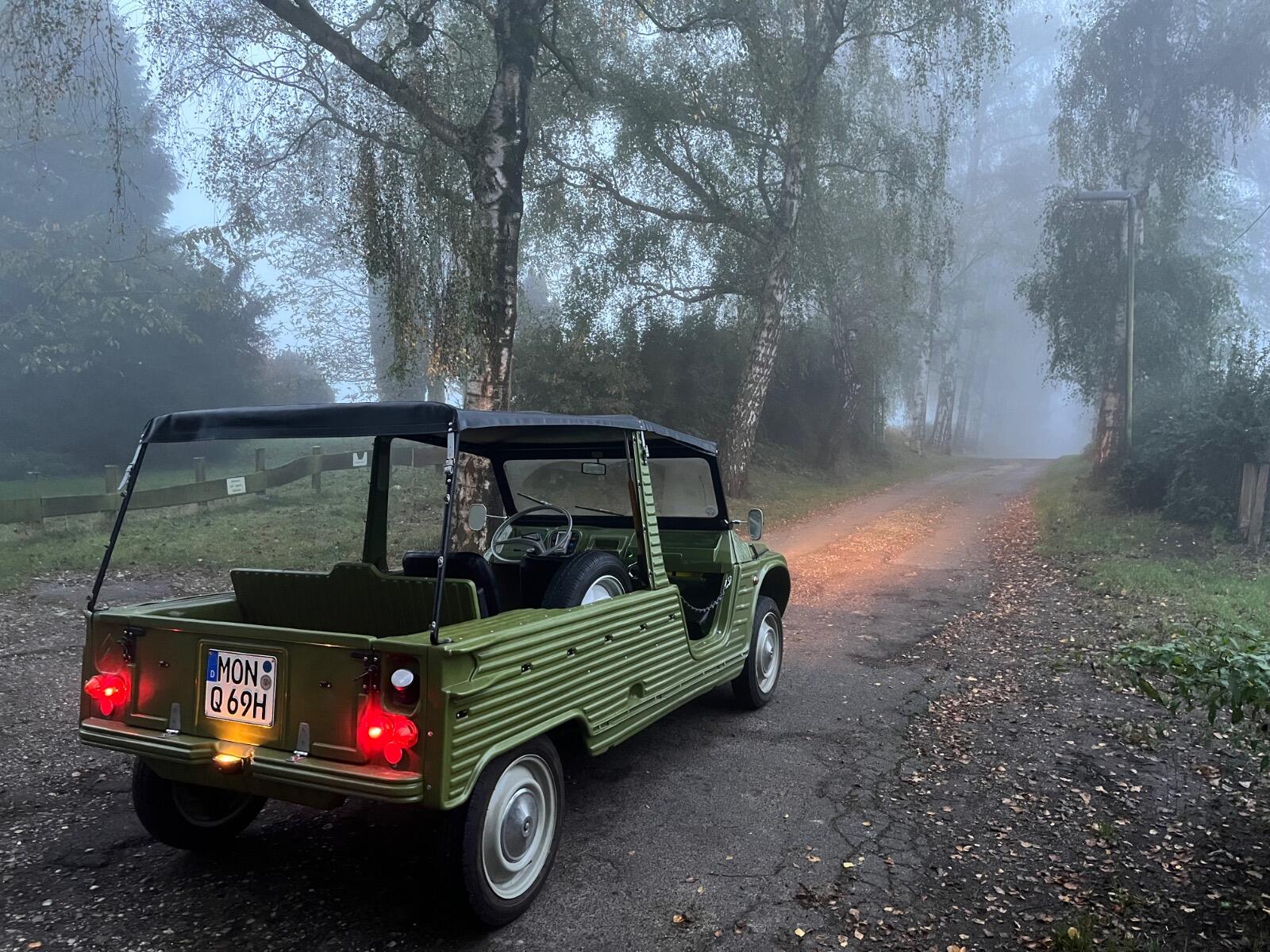
 1 PunktBald ist Halloween...heute Morgen auf dem Weg nach Hogwarts LG, Bert
 1 Punkt
 -
 1 Punkt
 1 PunktBestenliste gesetzt auf Berlin/GMT+02:00